REVIEW: The Science of Jurassic World : The Dinosaur Facts Behind the Films by Jon Brake and Jon Chase

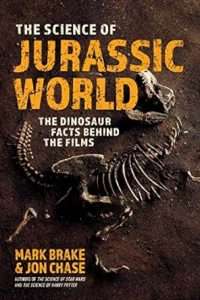
A tale of some of the most amazing creatures ever to grace this tiny planet—unearth how the science fiction of the Jurassic World franchise inspired the evolution of dinosaur science.
It all began in 1993. Jurassic Park was a movie landmark in the development of computer-generated imagery and animatronic visual effects. Jurassic Park became the highest-grossing movie of that year, and the highest-grossing film ever at the time, a record held until the 1997 release of Titanic. The field of dinosaur science has blossomed by leaps and bounds and branched out in recent years, in no small part to this iconic movie series.
In The Science of Jurassic World, we experience the amazing story of the birth of the dinosaurs, how they evolved to world dominance, how some became gargantuan in size, how others grew wings and flew, and how the rest of them met an untimely end. Chapters include:
How did Jurassic Park transform dinosaur science?
Was Dr. Alan Grant’s job a walk in the park?
What’s with the giant dinosaur poop?
When will we clone dinosaurs?
And so much more!
Discover how some of cinema’s most incredible creations do justice to the jaw-dropping evolution of these fantastic creatures.
Review
The movie franchise is famous and arguably launched the studies and careers of many scientists. Since the first one in 1993, our knowledge about these amazing animals has grown by leaps and bounds – in part fueled by interest caused by the movies. How does what we’ve seen on screen stack up to current thoughts on how dinosaurs actually looked and acted? The writing style here is light and breezy with short chapters that allow you to dip into and out of the book.
A lot of the opening chapter squees about how the book/film franchise launched paleontology from a niche study to a (more) sought after degree then recaps changing historical views of how (European Christian) people viewed the world from Medieval times through the growth of scientific studies. Kind of dull if you’ve read much about the subject. Then (finally!) we get to the comparison of the films with past and present dinosaur knowledge.
The idea of getting dino DNA from mosquitoes in amber is debunked. Studies have shown that DNA is almost totally degraded at 6.8 million years. How fast did dinosaurs move and could a T Rex chase down a jeep? Did they flock in herds? Why didn’t the most recent movies include feathered dinosaurs? If we could clone them, could dinosaurs be trained? How are dino skeletons excavated, polished up, and mounted for displays? What do we know about how dinosaurs acted and how can we know this? Let’s talk about dino poo and sex.
So there’s all this and so much more. Plus a rather silly bit about former President Trump that I have no idea why it was there. Looking back at the first film from a distance of almost 30 years, we can see just how much more knowledge we have gained in that short amount of time. New dinosaur species are being found every week, new ways of studying fossils, trackways, nests and other remnants of dinosaurs are being tried that are allowing us to understand more and amazing things about them. If you like a bit of dino science mixed with Hollywood, here’s your book. B
~Jayne
AmazonBNKoboBook DepositoryGoogle
